
IFS Therapy for LGBTQ Adults in the Arts District, Downtown Los Angeles and Online
For those who imagine a world where they can live freely.
This might be for you if…
You’re the only person who is Black, Asian, Latine, Indigenous, or an immigrant in the queer and trans community you always longed for. Part of you feels grateful, and part of you feels shame for wanting more.
You hold back at family functions — your laughter, your joy, your hopes. You carry the weight of not knowing if the people you love would love you if they knew all of you.
There are times when you can’t explain why you feel disconnected. When you meet someone new. When your partner introduces you. When you’re getting dressed in the mirror.
You’ve heard everyone else’s stories around coming out, and feel pressured to know what it looks like for you. A part of you is constantly running the mental math on this. A part of you feels like coming out is for others, and not yourself.
These parts are here for a reason.
They showed up when parts of you realized that the love at home has always come with conditions, that your gender and sexuality should be figured out on a given timeline, that wanting more means derailing the community’s needs. Over time, you figured out how to work with these conditions. These parts took on jobs to keep you safe. A part of you believes that if you were to speak up and show up fully, arguments would happen, your loved ones would abandon you, and the loneliness you experience would grow deeper.

How IFS Works for LGBTQ Adults
With Internal Family Systems Therapy, you don’t have to explain yourself or spend time educating and defining things. It’s a space where we get curious about the parts that have protected you from the belief that you’re unworthy of love, that you’re a burden. Instead of asking you to force these parts to have hope, we explore how long these parts have been around and why they took on their roles.
We move towards helping you build a relationship with these parts of you. It looks like spending time with the fears that come up instead of immediately distracting yourself. It feels like having space to be curious about what comes next.
Over time you’ll find that the parts protecting you from rejection and abandonment can rest. Not because reframing your anxiety or implementing breathing exercises brought change, but because that part finally knows what it needs to feel safe.
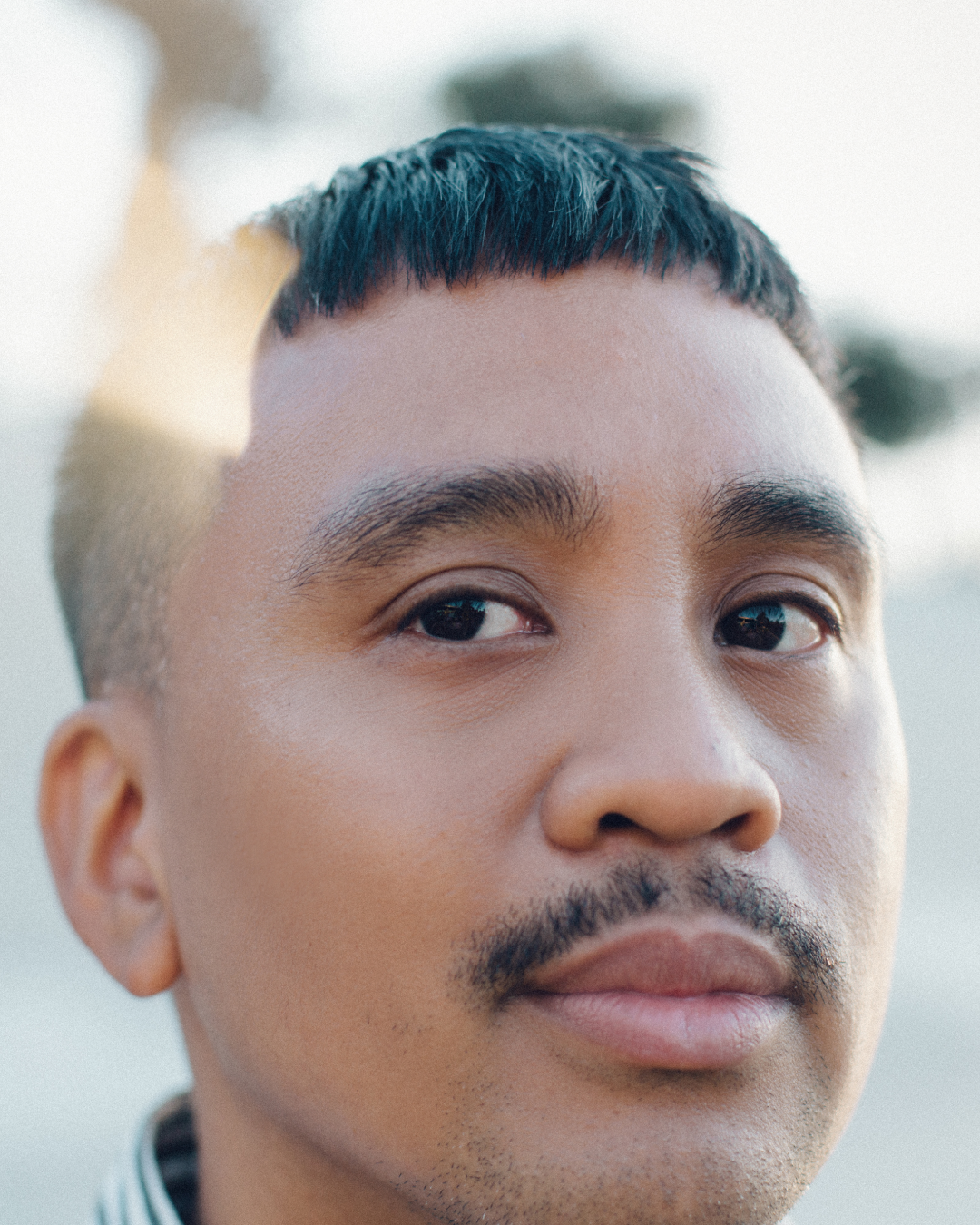
MEET CHRIS DATILES · QUEER FILIPINO THERAPISTOffering LGBTQ Affirming Therapy in Los Angeles
My approach is shaped by my own experiences of loss, identity, and what it means to navigate the world as someone who is queer and Filipino American. It’s grounded in IFS, grief therapy, and LGBTQ+ affirming care.
I started this work because when I worked in higher education, I kept meeting queer and trans students who believed they were broken. I knew they weren't. I wanted to create a space where queer and trans people could start to know that too.
Our work together honors all the parts of you. We don't just talk about what you've been through — we work with it, together
FREQUENTLY ASKED QUESTIONS-
Yes — IFS doesn’t ask you to perform wellness or prove that you’re trying. Instead, we explore the parts of you that have never been seen in therapy to understand their experience. We give those parts the space to tell their story, and to understand what they’ve been carrying in the absence of being truly seen.
Oftentimes, not feeling fully seen in therapy comes from a part that feels like it has to be perfect, or a rupture that occurred in the previous therapy relationship — a wrong phrase, a different tone, a session rescheduled. We explore how this part protects you, and what it needs in order to trust that you can show up as your whole self.
-
Most talk therapy might approach the fear of rejection and abandonment that LGBTQ adults experience as trying to find the exceptions — naming the people who love you unconditionally, finding a community that celebrates your identities, pointing out the moments your parents made you feel loved for who you are.
While this may be helpful, IFS doesn’t see the work as convincing your parts that these moments and people exist. There are parts of you that know that, but still seek love and acceptance from people you know you may not receive it from. If you’ve tried therapy before and found it helpful but incomplete, IFS gives you the space to be with this paradox.
-
Many clients begin to notice showing up differently within the first two to three months of weekly sessions. For clients who go through IFS intensives, they experience relief in the first two 3 hour sessions. You may find yourself with less self-doubt and more trust in your own decisions. You being to honor the grief you’ve been carrying, and learn how to continue moving forward with it.
Deeper work often continues beyond that — not because progress has stalled but because the process itself becomes something worth staying in.
-
Yes. If you can’t make in-person sessions in Los Angeles but are looking for an IFS therapist who specializes in working with LGBTQ adults, online sessions are available wherever you are in California.
Start IFS Therapy for LGBTQ Adults in Los Angeles
Whatever brought you here, I'm glad you found your way. The first step is simply a conversation. I offer a free 20-minute consultation — no pressure, no obligation, just a chance to see if working together feels right.
Offering in-person LGBTQ Affirming IFS Therapy in the Arts District / Little Tokyo, Downtown Los Angeles — and online throughout California.